
Thailand’s rapid urbanization, industrial growth, and tourism-driven development are placing increasing pressure on its freshwater resources. At the same time, climate variability and seasonal droughts are making traditional water sources less reliable. In this changing landscape, water recycling and desalination are no longer optional—they are becoming central to sustainable water management.
Across municipalities and industries, Thailand is adopting advanced technologies to recycle water, treat wastewater for reuse, and convert seawater into a dependable supply. These innovations are reshaping how the country secures water for the future.
Why Water Recycling Matters in Thailand?
Water scarcity is no longer limited to arid regions. In Thailand, rising demand from manufacturing, urban households, and agriculture is straining rivers, reservoirs, and groundwater. By investing in wastewater recycling, communities and industries can transform treated effluent into a reliable alternative water source for non-potable and even industrial applications.
Recycled water is now widely used for:
- Cooling towers and boilers in industrial plants
- Landscape irrigation and urban green spaces
- Process water in manufacturing
- Cleaning, flushing, and utility services
This shift from linear water use to circular systems marks a significant evolution in Thailand’s water management approach.
Key Trends in Wastewater Recycling
1. Advanced Water Recycle Technology
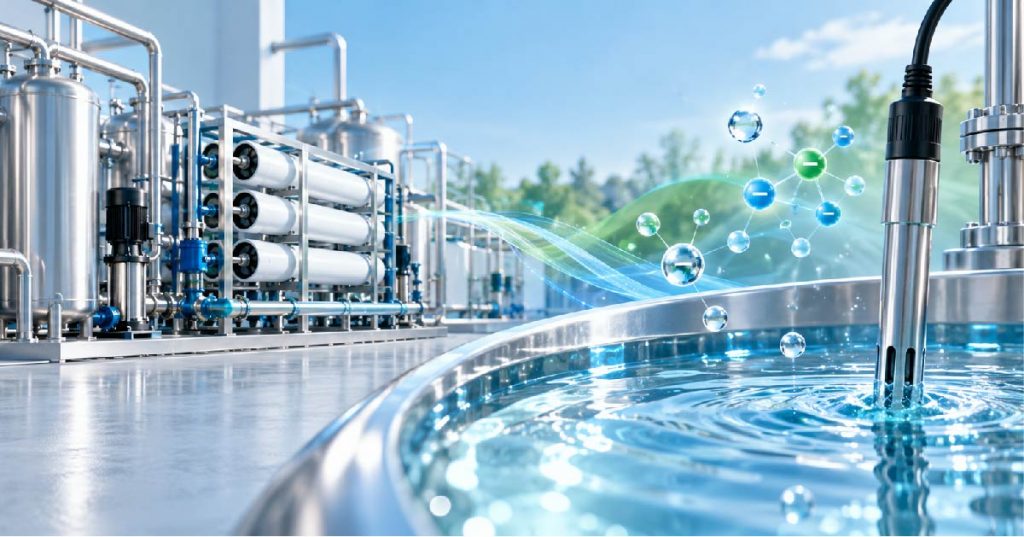
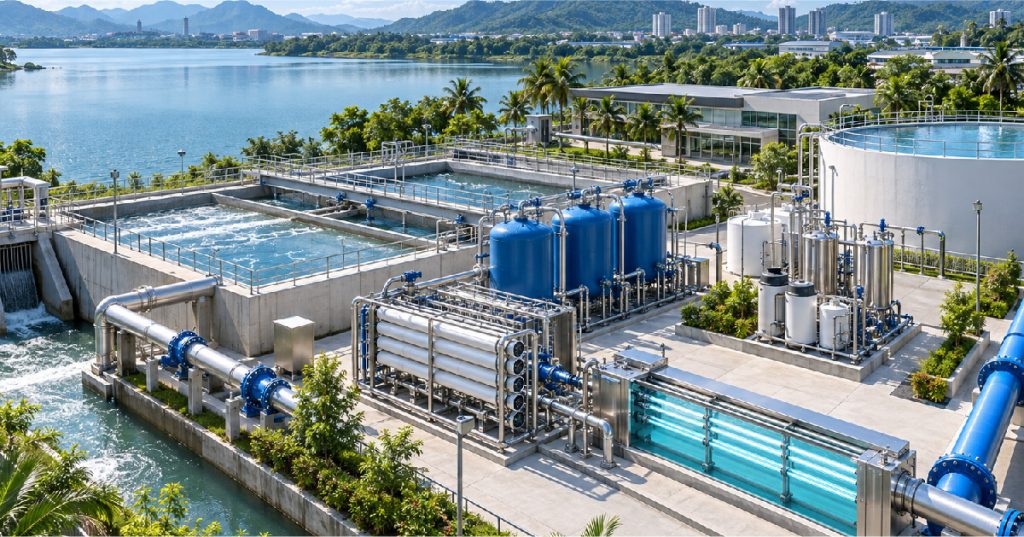
Modern water recycling technology goes far beyond conventional treatment. Membrane bioreactors (MBR), ultrafiltration, reverse osmosis, and advanced oxidation processes are delivering high-quality recycled water that meets stringent reuse standards. These systems ensure the effective removal of pathogens, salts, and micro-pollutants—making recycled water safe and dependable.
2. Decentralized Recycle Water Solutions
Instead of relying solely on centralized plants, Thailand is increasingly adopting localized recycled water solutions for industrial parks, commercial complexes, and residential communities. These compact systems reduce transmission losses, lower infrastructure costs, and enable water reuse closer to the point of generation.
3. Industrial Wastewater Recycling for Sustainability
Manufacturers in sectors such as food and beverage, chemicals, electronics, and power are implementing wastewater recycling systems to reduce freshwater intake and achieve compliance with environmental regulations. Treated effluent is reused within processes, cutting operating costs while improving sustainability performance.
4. Smart Monitoring and Automation
Digital tools and sensors are now integrated into water recycling technology, allowing real-time monitoring of flow, quality, and system performance. Automation ensures consistent operation, early fault detection, and optimized resource use.
Desalination: Complementing Water Recycling
While recycling addresses internal water efficiency, desalination provides an external source of supply—particularly for coastal regions and island communities. Seawater desalination using membrane technologies is gaining traction in Thailand as a strategic response to water stress in tourism hubs, industrial corridors, and urban developments.
Modern desalination systems are designed for:
- High energy efficiency through optimized membrane performance
- Integration with renewable energy sources
- Blending with recycled water to reduce overall treatment costs
By combining desalination with water recycling, Thailand is building a diversified and resilient water portfolio.
Ion Exchange’s Role in Thailand’s Water Transformation
Ion Exchange has been at the forefront of designing and delivering advanced recycled water solutions and desalination systems across Asia. Our integrated approach supports municipalities and industries in transforming wastewater and seawater into valuable, reusable resources.
Our new fluoride removal handpump attachments in FRP using the newly developed INDION RS-F resin (fluoride removal resin) have been installed at three locations.
A demonstration plant at Gangaura village in Chhindwara District of Madhya Pradesh was installed under the supervision of the Superintendent Engineer & the Executive Engineer PHED Chhindwara. It caters to the drinking water requirements of around 800 people living in and around the village. The inlet water has a fluoride content of 3.5 ppm, which is reduced to 0.3 ppm in the treated water.
Another unit was installed by Ambuja Foundation at the Ambuja Cement Group, which undertakes CSR activities at Balada village, Jaitaran Tehsil, Pali District in Rajasthan. Around 1250 villagers are using the treated water from this unit, which has a flow rate of 11 litres per minute.
The third unit has been installed in collaboration with Water Aid and its partner Vasudha Vikas Sansthan of Dhar at Hasanpur in Kalapani District in Dhar. The unit was successfully field tested in the presence of the Executive Engineer, as well as Water Aid and Vasudha Vikas Sansthan.
Fluoride Removal from Potable and Waste Water
Excessive fluoride concentration in groundwater has been reported in more than twenty developed and developing countries, including India, where nineteen states face acute fluorosis problems.
Our recently launched INDION chelating-type ion exchange resin contains specific functional groups that have a selective affinity for fluoride ions to effectively remove fluoride from water. It has taken off well in rural areas as it can treat potable water having up to 20 ppm fluoride content, reducing it to the WHO specified limit of <1.5 ppm.
Iron Removal from Groundwater
Concentration of iron in rural groundwater supplies is a common problem, with levels ranging from up to 50 mg/l, while the WHO-recommended limit is <0.3 mg/l. Iron-bearing groundwater is often noticeable by its orange colour, causing discolouration of laundry and imparting an unpleasant taste to drinking water, tea, and other beverages.
Nitrate Removal from Potable Water
Nitrate (NO₃⁻) is naturally occurring from nitrogen (N₂), is essential for plant growth, and is often added to soil to improve its productivity. Water moving down through the soil after rainfall or irrigation carries dissolved nitrate into groundwater, and thus nitrate enters water supplies. Drinking water containing high levels of nitrate is harmful as nitrate ions form complexes with the blood, and in the long term, can cause oxygen depletion affecting human and animal life.
Our INDION resin is being used extensively in northern India to remove nitrate from potable water and is also being exported to the US and Europe.
Treating Arsenic Contamination of Ground Water
Drinking water containing arsenic may cause several types of cancer, diabetes mellitus, diseases of the circulatory and respiratory systems, kidney and liver. Elevated mortality rates were observed for all diseases of the circulatory system and some for selected respiratory diseases.
Benefits of Water Recycling and Desalination
Adopting wastewater recycling and desalination offers significant advantages:
- Water Security – Reduces dependence on limited freshwater sources
- Environmental Protection – Minimises discharge into rivers and coastal ecosystems
- Cost Efficiency – Lowers long-term water procurement and treatment expenses
- Regulatory Compliance – Supports national and regional sustainability standards
- Resilience – Ensure stable water supply during droughts and peak demand
Conclusion
Thailand’s future water strategy is increasingly built on water recycling, advanced water recycling technology, and desalination. By embracing circular water use and diversified sourcing, the country is strengthening its resilience against water scarcity while supporting sustainable growth.
With Ion Exchange’s proven expertise in recycling water solutions and desalination systems, municipalities and industries in Thailand can confidently turn wastewater and seawater into reliable resources for tomorrow.