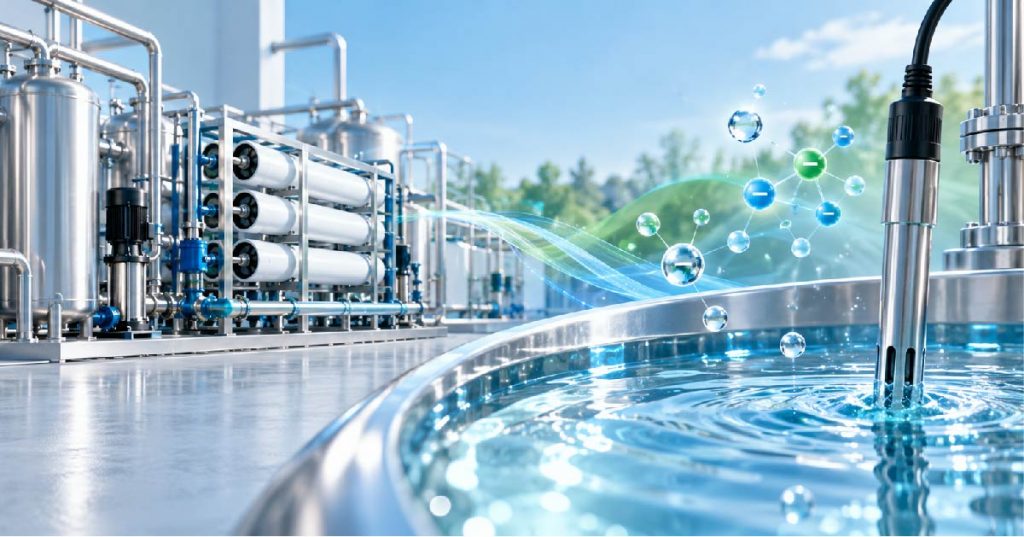
Demineralised Water Conductivity: What to Know
One question appears frequently in plant discussions: what should the conductivity of DM water be? There is no sensible universal


One question appears frequently in plant discussions: what should the conductivity of DM water be? There is no sensible universal
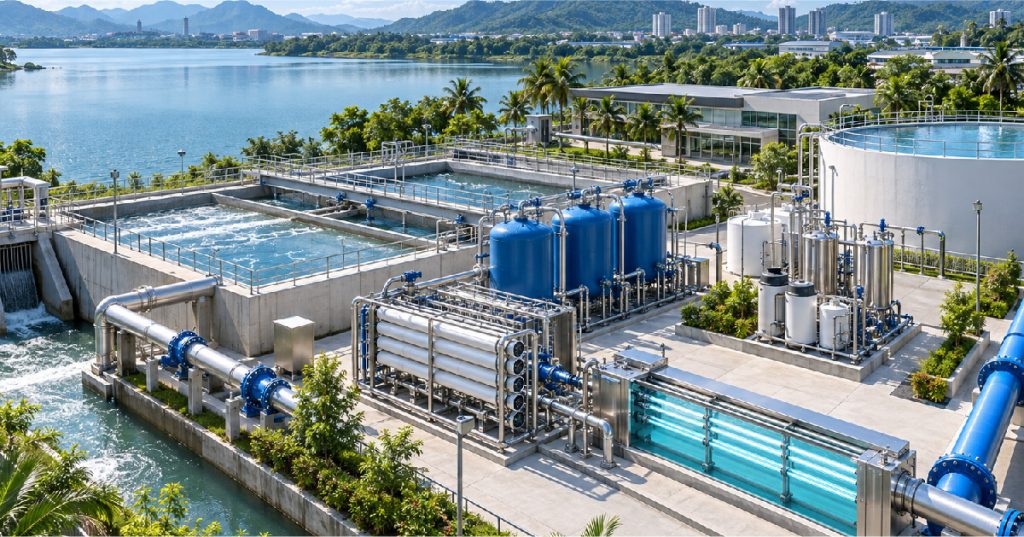
Thailand’s water needs are changing fast. Urban growth, industrial expansion, tourism, food processing, and rising expectations around water quality are
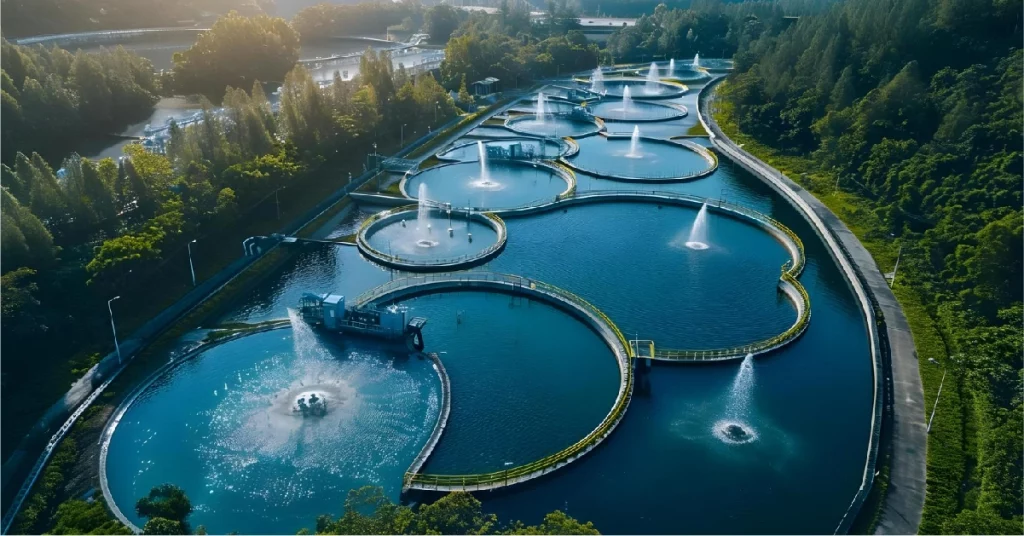
Industrial facilities require reliable water for manufacturing, utilities, cooling, boilers, and other processes. At the same time, wastewater generated during
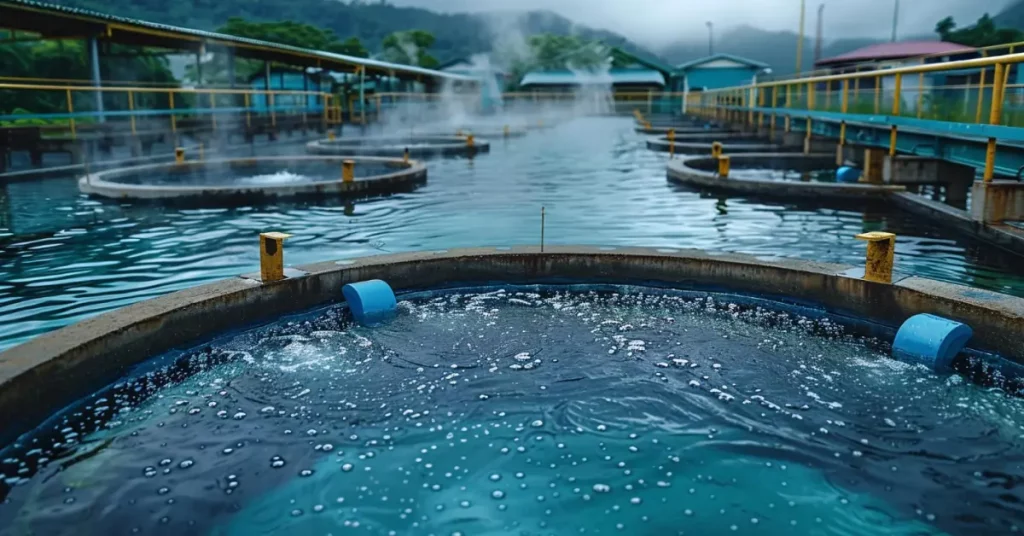
Access to safe and reliable water is essential for communities, industries, commercial facilities, and infrastructure development. In Thailand, rising urbanisation,
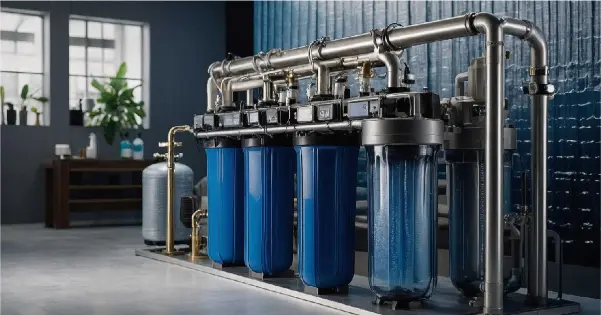
Water is a critical resource for industries across Thailand, supporting manufacturing, food processing, chemicals, electronics, textiles, power generation, and numerous
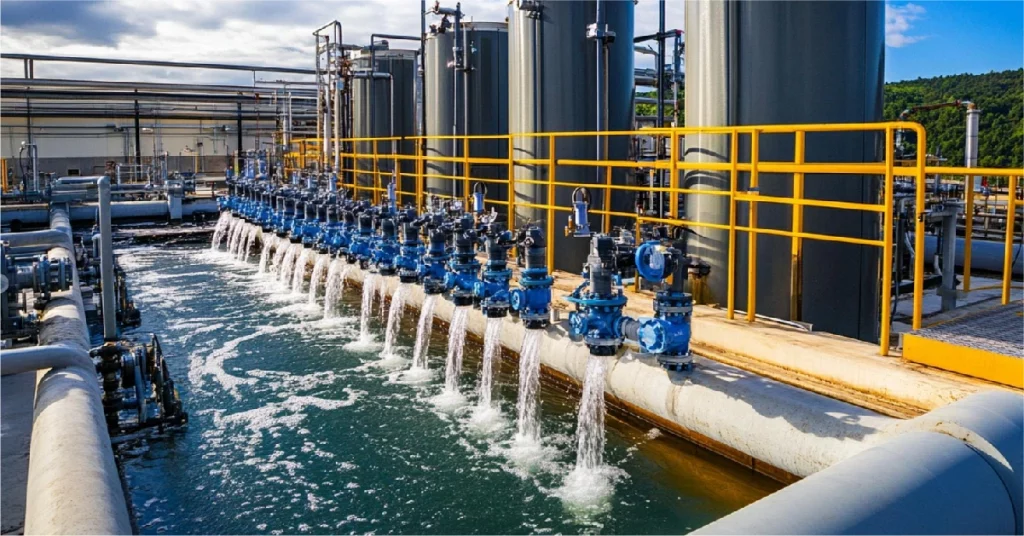
Thailand’s industrial sector continues to grow rapidly across manufacturing, food processing, chemicals, power generation, automotive, and infrastructure industries. As industrial
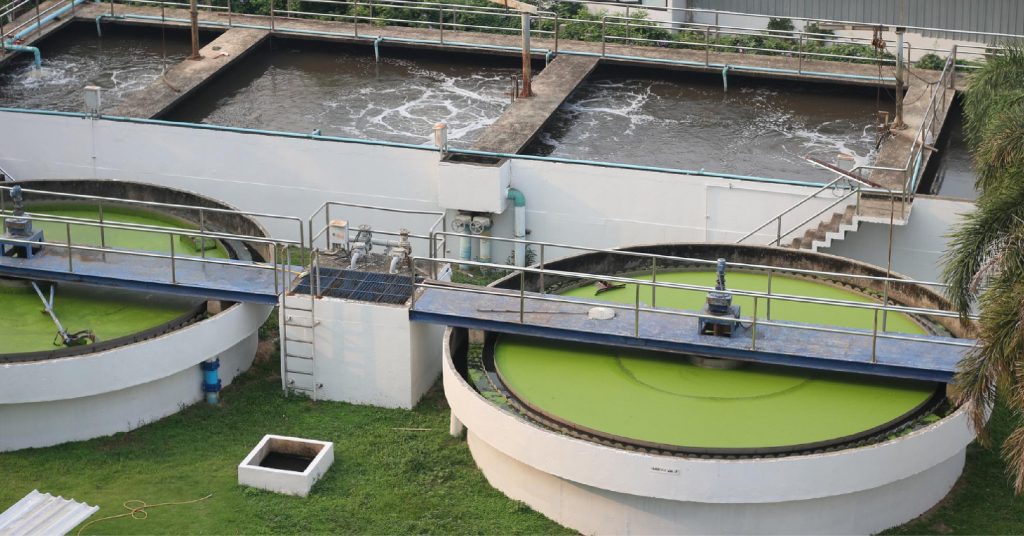
Thailand’s rapid urbanization and industrial growth have significantly increased the generation of wastewater from residential, commercial, and industrial sources. Without
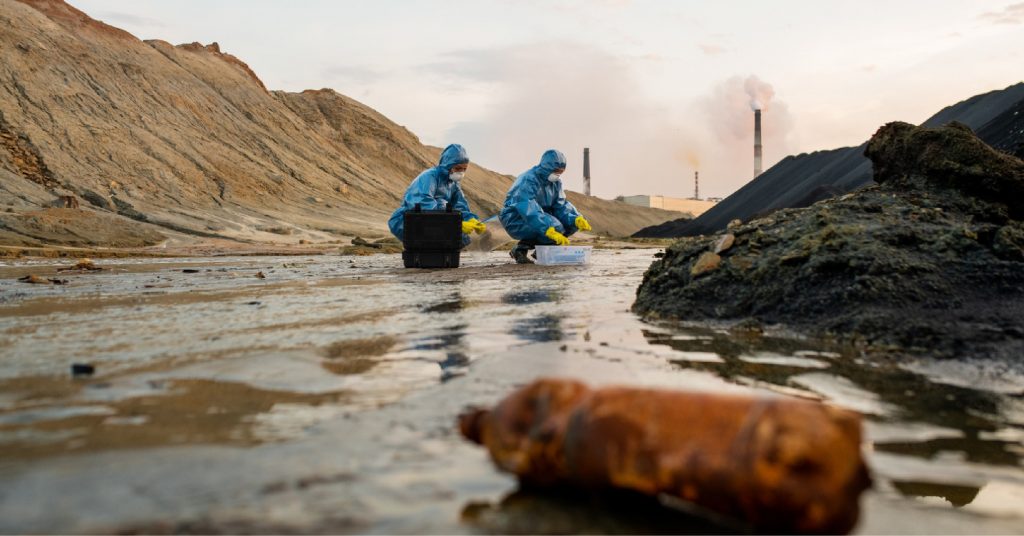
Rapid urbanization and population growth in Thailand have increased the need for effective sanitation and Sustainable Waste Management solutions. While
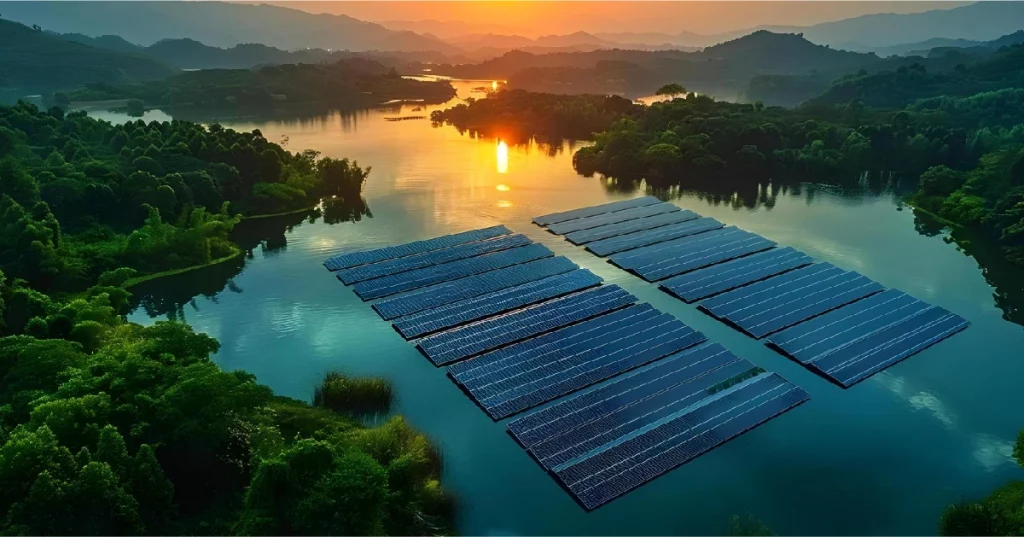
Thailand is rapidly embracing Solar Energy as a key pillar of its sustainable development strategy. With rising energy demand, environmental
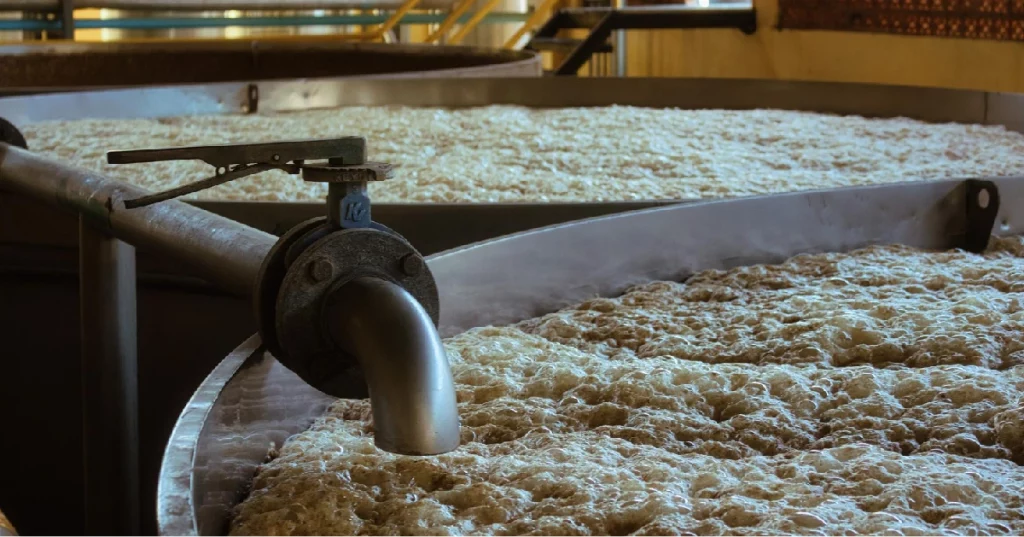
Thailand is one of the world’s leading rice producers, with thousands of rice mills operating across the country. While rice