
Thailand’s economic growth, urban expansion, and industrial development depend heavily on reliable access to clean water. Behind this access lies a complex network of systems collectively known as water infrastructure. From sourcing and treatment to distribution and reuse, water infrastructure determines how safely and efficiently water reaches homes, industries, and public institutions.
As water demand rises and climate variability increases, strengthening clean water infrastructure and wastewater infrastructure has become a national priority—critical for public health, environmental protection, and long-term resilience.
What Is Water Infrastructure?
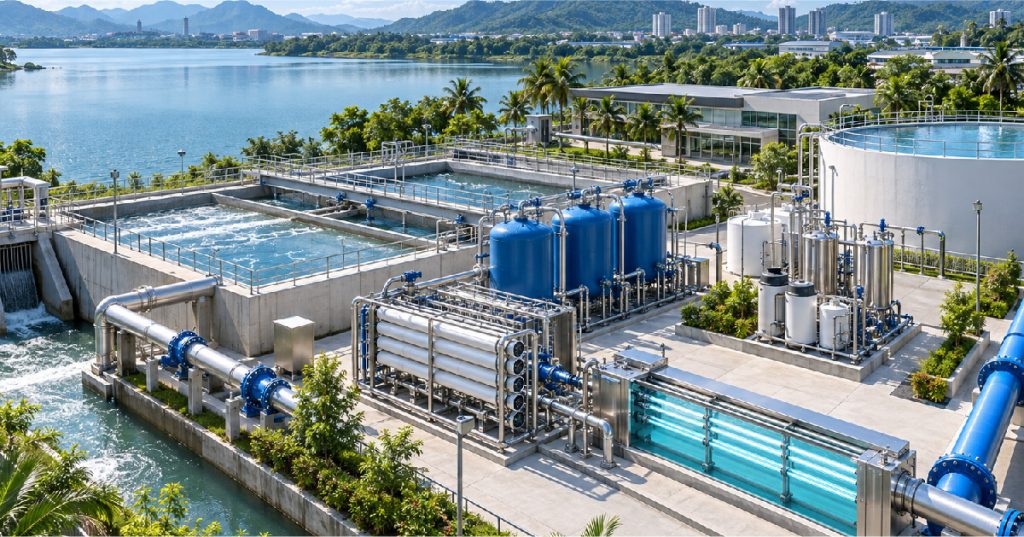
Water infrastructure includes the physical assets, technologies, and management systems that enable water supply and sanitation services. This spans:
- Raw water sources such as rivers, reservoirs, and groundwater
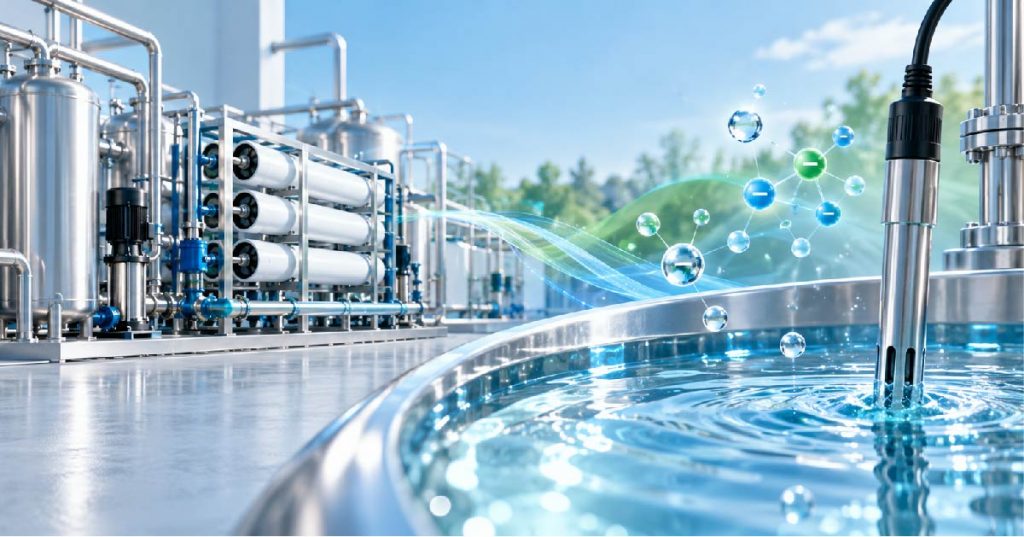
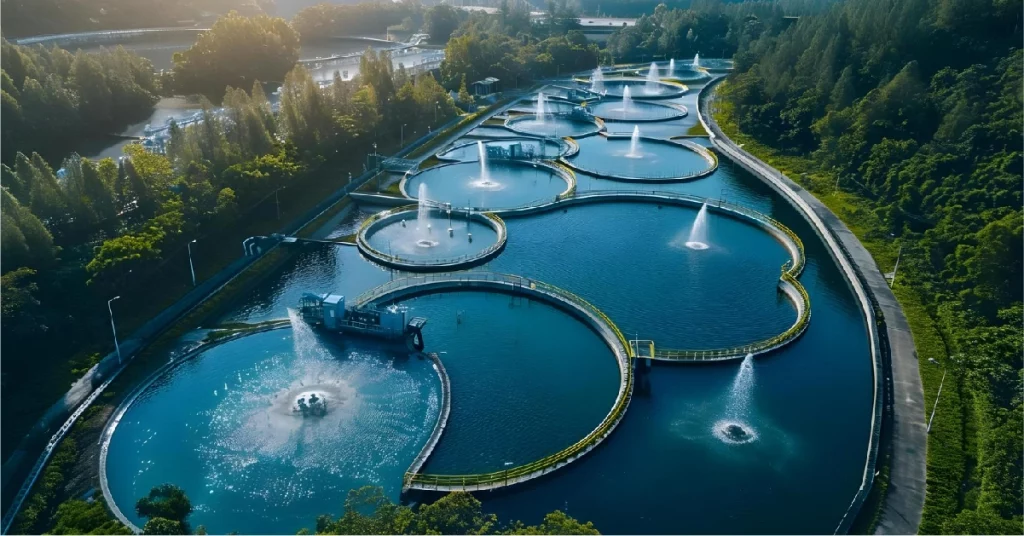
- Treatment plants for drinking water and wastewater
- Storage facilities and pumping stations
- Distribution networks and pipelines
- Monitoring, control, and maintenance systems
Together, these components ensure water is treated to the required quality, delivered reliably, and managed responsibly throughout its lifecycle.
Why Clean Water Infrastructure Matters in Thailand?
Thailand faces unique water challenges—seasonal flooding, droughts, urban density, and industrial clusters competing for limited resources. Robust clean water infrastructure ensures that these pressures do not compromise water quality or availability.
Effective infrastructure helps to:
- Deliver safe water that meets health and quality standards
- Protect communities from waterborne diseases
- Support industrial productivity and tourism
- Reduce losses from leakage and inefficiencies
- Strengthen resilience during dry seasons and extreme weather events
Without adequate investment, even abundant water resources can fail to meet growing demand.
The Role of Drinking Water Infrastructure
Drinking water infrastructure is the backbone of public health. It includes treatment plants, pipelines, storage tanks, and monitoring systems that ensure water is safe from source to tap.
In Thailand, upgrading drinking water infrastructure is essential to address:
- Aging pipelines and distribution losses
- Variable raw water quality due to pollution and seasonal changes
- Rising urban demand and service coverage gaps
Modern treatment technologies, automation, and real-time monitoring are increasingly being integrated to maintain consistent quality and reliability across cities and towns.
Wastewater Infrastructure: Closing the Loop
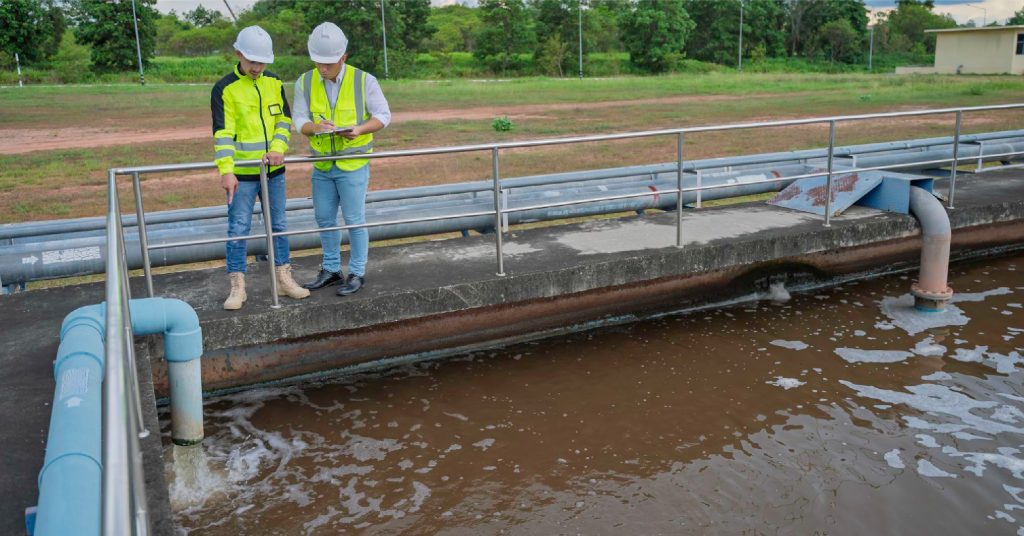
While clean water delivery is vital, managing wastewater is equally important. Wastewater infrastructure treats sewage and industrial effluent before it is discharged or reused, preventing environmental degradation and protecting water sources.
Advanced wastewater systems in Thailand are now designed not only for safe disposal, but also for recovery and reuse—supporting irrigation, industrial utilities, and non-potable applications. This shift reduces pressure on freshwater sources and supports sustainable water management.
Water Infrastructure Management: From Assets to Intelligence
Building infrastructure alone is not enough. Effective water infrastructure management ensures systems operate efficiently over their entire lifecycle. This includes:
- Preventive and predictive maintenance of assets
- Monitoring water quality, flow, and pressure in real time
- Reducing non-revenue water through leak detection
- Optimizing treatment and energy consumption
- Ensuring compliance with regulatory standards
Digital tools, automation, and data-driven decision-making are increasingly central to modern water infrastructure management in Thailand.
How Integrated Infrastructure Supports Clean Water Goals?
An integrated approach—connecting drinking water infrastructure, wastewater infrastructure, and reuse systems—creates a resilient water ecosystem. Benefits include:
- Improved water security and reliability
- Reduced environmental impact and pollution
- Lower operating costs through efficiency and reuse
- Enhanced preparedness for climate and demand variability
This holistic model aligns with Thailand’s long-term sustainability and development objectives.
Ion Exchange’s Role in Strengthening Water Infrastructure
Ion Exchange has decades of experience supporting comprehensive water and wastewater projects across Asia, including Thailand. Our solutions address the entire water value chain—from intake and treatment to reuse and intelligent management.
Ion Exchange was awarded the turnkey order, valued at Rs. 1056 million for design, engineering, supply, and erection of the intake water system, with water treatment, for the 2.5 MT expansion of SAIL-IISCO, Burnpur, West Bengal. The project will be executed by Ion Exchange Infrastructure.
The project consists of a cross-country pipeline for a water treatment plant, and a makeup and drinking water distribution system from an overhead tank, including a sludge handling system. The scope of work broadly includes the intake pump-house of 5610 m3/h, the electrical substation, and the CDI cross-country pipeline of approx. 7 kms (of pipe size DN 900) l Earthen reservoir of 280000 cu.m. l 4050 m3/h makeup water treatment plant consisting of pump-house, lamella clarifiers, sludge sump, thickener, dewatering system, centrifuge, chemical house and make up water reservoir, 100 m3/h drinking water treatment plant, drinking water reservoir and potable water chlorination l Make up water cum drinking water overhead tank and distribution network.
The Path Forward for Thailand
As Thailand continues to grow, the demand for safe, reliable, and sustainable water services will only increase. Investing in modern water infrastructure, strengthening clean water infrastructure, and integrating effective water infrastructure management are essential steps toward long-term water security.
Conclusion
Water infrastructure is the foundation of clean water access in Thailand. From drinking water infrastructure that safeguards public health to wastewater infrastructure that protects the environment, every component plays a vital role. When supported by intelligent water infrastructure management, these systems become more efficient, resilient, and sustainable.
With Ion Exchange’s proven expertise in integrated water solutions, Thailand’s utilities and industries can build future-ready water infrastructure—ensuring clean water availability for communities, businesses, and generations to come.
Connect with Ion Exchange experts to explore how our water infrastructure solutions can support clean, reliable, and sustainable water systems in Thailand.
FAQs
1. What components make up modern water infrastructure?
Modern water infrastructure includes raw water sources, treatment plants, storage facilities, pumping stations, distribution networks, wastewater systems, and digital monitoring and control systems.
2. Why is upgrading water infrastructure important in Thailand?
Upgrading infrastructure helps address aging assets, reduce water losses, manage seasonal variability, meet rising urban demand, and comply with stricter water quality and environmental standards.
3. How does wastewater infrastructure protect water sources?
Wastewater infrastructure treats sewage and industrial effluent before discharge or reuse, preventing contamination of rivers, groundwater, and coastal ecosystems.
4. What challenges affect drinking water systems today?
Aging pipelines, distribution losses, fluctuating raw water quality, urban expansion, and climate-related stress are key challenges impacting drinking water reliability.
5. How does smart management improve water infrastructure performance?
Smart monitoring, predictive maintenance, and data-driven optimization improve efficiency, reduce non-revenue water, enhance compliance, and extend asset lifespan.