
Water is a critical resource for industries across Thailand, supporting manufacturing, food processing, chemicals, electronics, textiles, power generation, and numerous other sectors. However, rising water costs, stricter environmental regulations, and increasing sustainability targets are forcing businesses to rethink how they manage water resources.
One of the most effective solutions available today is the reverse osmosis system. Modern industrial reverse osmosis systems not only improve water quality but also help organizations significantly reduce operating expenses through efficient water treatment, water reuse, and resource conservation.
As industries strive to optimize operations and lower costs, reverse osmosis technology has become a key component of modern industrial water treatment solutions.
Why Are Water Costs Rising for Industries?
Industrial facilities face several water-related expenses beyond simply purchasing water.
These costs often include:
- Raw water procurement
- Water treatment chemicals
- Energy consumption
- Equipment maintenance
- Wastewater disposal
- Regulatory compliance
- Water transportation and storage
As water scarcity concerns continue to grow across many regions, industries are increasingly seeking solutions that improve water efficiency while reducing operating costs.
This is where a well-designed RO water treatment system can deliver significant value.
What Is a Reverse Osmosis System?
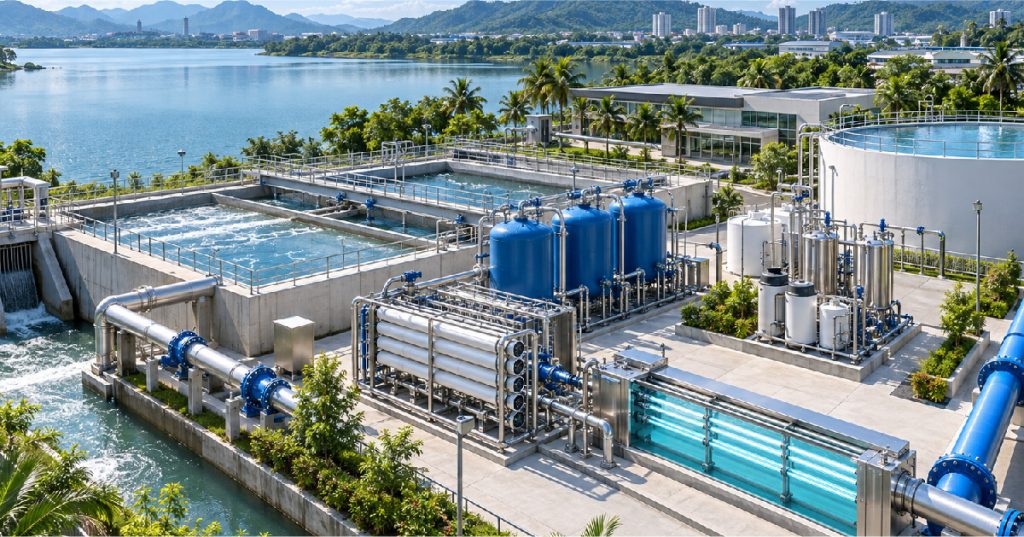
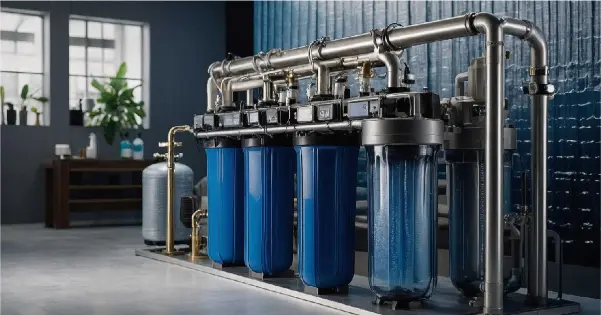
A reverse osmosis system is an advanced membrane-based treatment technology that removes dissolved salts, minerals, contaminants, and impurities from water.
The process works by applying pressure to force water through semi-permeable membranes that allow water molecules to pass while rejecting contaminants.
Reverse osmosis systems are widely used for:
- Process water treatment
- Boiler feed water
- Cooling water applications
- Wastewater recycling
- High-purity water production
- Industrial water reuse
Today, almost every modern reverse osmosis plant relies on advanced membrane technologies to improve water quality and recovery rates.
How Do Reverse Osmosis Systems Reduce Industrial Water Costs?
Reduced Freshwater Consumption
One of the biggest benefits of an industrial reverse osmosis system is its ability to recover and reuse water.
Instead of relying entirely on fresh water sources, industries can recycle treated water for various applications such as:
- Cooling systems
- Utility operations
- Washing processes
- Manufacturing activities
By reducing dependence on freshwater supplies, organizations can lower water procurement costs substantially.
Lower Wastewater Disposal Expenses
Discharging wastewater often involves treatment costs, transportation expenses, and compliance fees.
Reverse osmosis systems help minimize wastewater volumes through higher water recovery rates.
The result:
- Reduced discharge volumes
- Lower treatment costs
- Decreased disposal expenses
- Improved regulatory compliance
This directly contributes to lower overall operating costs.
Reduced Chemical Consumption
Conventional water treatment methods may require significant amounts of chemicals for softening, clarification, and contaminant removal.
An RO water treatment system reduces the reliance on many treatment chemicals by physically removing dissolved contaminants through membrane filtration.
Benefits include:
- Lower chemical purchasing costs
- Reduced chemical handling
- Improved process consistency
- Lower environmental impact
Improved Equipment Protection
Poor water quality can cause:
- Scaling
- Corrosion
- Fouling
- Reduced equipment efficiency
Industrial reverse osmosis systems remove contaminants that contribute to these problems.
This helps protect:
- Boilers
- Cooling towers
- Heat exchangers
- Pipelines
- Process equipment
Improved equipment performance translates into lower maintenance costs and longer asset life.
Lower Energy Consumption
Modern reverse osmosis plants are designed with energy-efficient technologies such as:
- High-performance membranes
- Energy recovery systems
- Automated process controls
- Optimized pump configurations
These innovations reduce energy requirements while maintaining treatment performance.
Lower energy usage contributes directly to reduced water treatment operating costs.
Role of Industrial Water Recycling
Water recycling is becoming a major priority for industries seeking long-term sustainability.
By integrating reverse osmosis into industrial water recycling programs, facilities can recover and reuse treated wastewater instead of discharging it.
Benefits include:
- Lower freshwater demand
- Reduced environmental footprint
- Improved water security
- Enhanced sustainability performance
Industries adopting water recycling strategies often experience substantial long-term cost savings.
Applications of Reverse Osmosis Systems Across Industries
Food and Beverage Industry
RO systems provide high-quality process water while supporting water conservation initiatives.
Electronics Manufacturing
Ultra-pure water production is essential for maintaining product quality and manufacturing precision.
Textile Industry
Reverse osmosis supports water reuse and helps reduce wastewater discharge volumes.
Chemical Processing
RO systems improve process water quality and protect production equipment.
Power Plants
High-quality boiler feed water produced through reverse osmosis improves plant efficiency and reduces maintenance requirements.
Modern Reverse Osmosis Plant Design
Today’s reverse osmosis plants are designed to maximize recovery while minimizing operating costs.
Advanced features may include:
- Automated monitoring systems
- Smart controls
- Energy-efficient membranes
- Real-time performance analytics
- Integrated water recycling capabilities
These technologies allow facilities to optimize treatment performance while reducing operating expenses.
Benefits Beyond Cost Reduction
In addition to reducing costs, reverse osmosis systems offer several operational and environmental advantages.
Improved Water Quality
Consistent high-quality water improves process reliability and product quality.
Regulatory Compliance
RO systems help industries meet stringent water quality and discharge requirements.
Sustainability Goals
Water reuse and recycling support ESG initiatives and corporate sustainability objectives.
Water Security
Reduced dependence on external water sources improves operational resilience.
Ion Exchange Reverse Osmosis Solutions
Ion Exchange provides advanced industrial water treatment solutions designed to help industries improve water efficiency and reduce operating costs.
Its capabilities include:
- Industrial reverse osmosis systems
- Water recycling solutions
- Wastewater reuse systems
- High-recovery RO plants
- Integrated water treatment systems
- Zero Liquid Discharge (ZLD) solutions
These systems are engineered to optimize water recovery, improve treatment efficiency, and support sustainable industrial operations.
Conclusion
For industries across Thailand, managing water efficiently is becoming both an economic and environmental necessity. Modern reverse osmosis systems provide a proven solution for reducing water treatment operating costs while improving water quality, supporting recycling initiatives, and protecting critical infrastructure.
By investing in advanced RO water treatment systems and industrial water recycling programs, organizations can achieve significant long-term savings while strengthening sustainability and regulatory compliance.
Connect with Ion Exchange experts to explore reverse osmosis systems and industrial water treatment solutions designed to reduce water costs and improve operational efficiency.
FAQs
How does a reverse osmosis system reduce industrial water costs?
Reverse osmosis systems reduce costs by enabling water reuse, lowering chemical consumption, minimizing wastewater disposal, and protecting equipment from scaling and corrosion.
What industries commonly use industrial reverse osmosis systems?
Industries such as food and beverage, textiles, chemicals, power generation, electronics, and pharmaceuticals widely use reverse osmosis systems.
Can reverse osmosis systems support industrial water recycling?
Yes. Reverse osmosis is one of the most effective technologies for industrial water recycling and wastewater reuse applications.
What factors affect reverse osmosis plant operating costs?
Key factors include feed water quality, recovery rate, energy consumption, membrane performance, and maintenance requirements.
How does Ion Exchange help industries optimize water treatment costs?
Ion Exchange provides advanced reverse osmosis systems, water recycling technologies, wastewater reuse solutions, and integrated industrial water treatment systems that improve efficiency and reduce operating expenses.