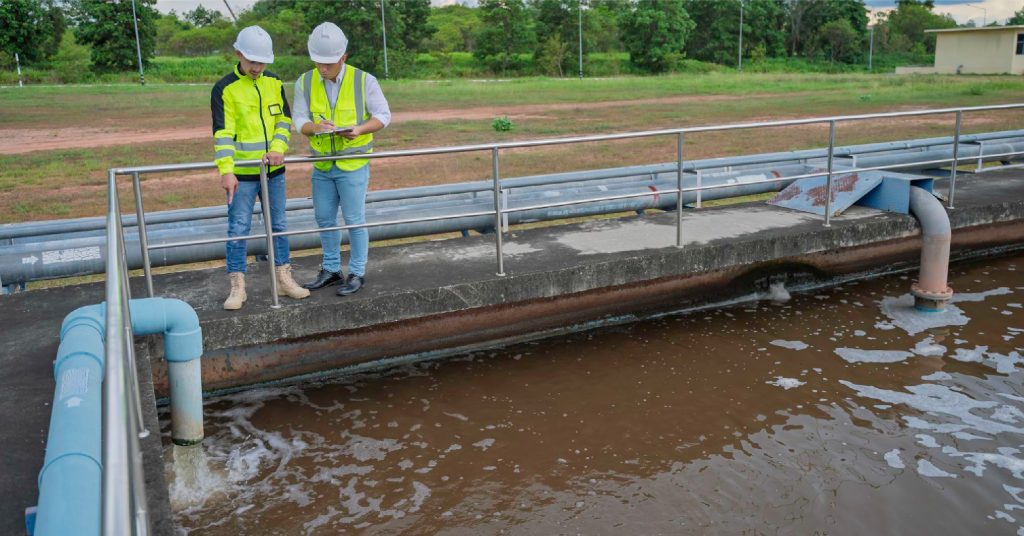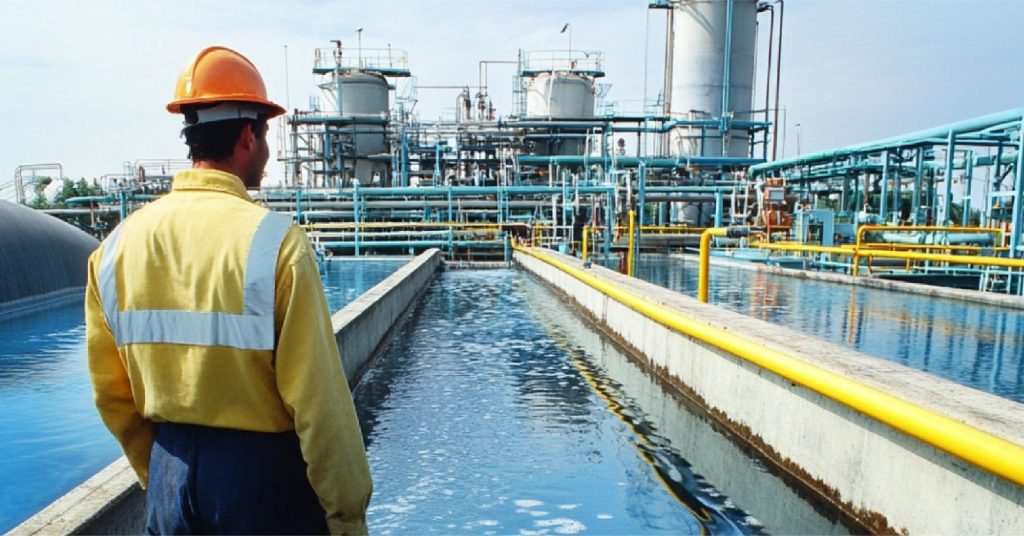

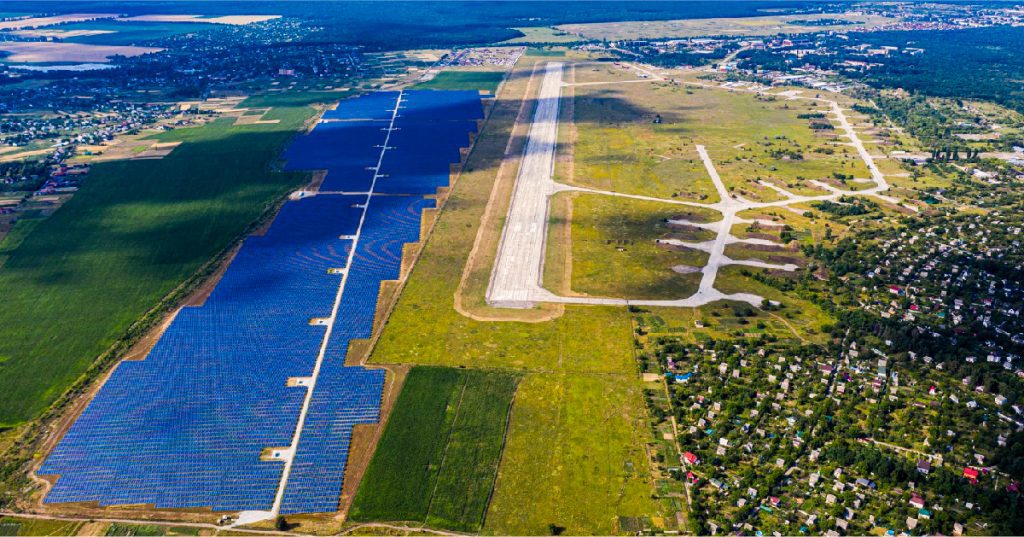
As Thailand’s cities expand and wastewater treatment capacity increases, one by-product continues to pose a significant challenge: sewage sludge. Generated in large volumes from municipal and industrial wastewater treatment plants, sludge has traditionally been viewed as a disposal problem. Today, however, Thailand is reimagining sludge as a valuable resource. Through innovative waste-to-energy technologies and nutrient recovery methods, sewage sludge is being transformed into renewable power and agricultural fertilizer—supporting the nation’s sustainability and circular economy goals.
The Challenge of Sewage Sludge in Thailand
Rapid urbanization and rising treatment standards have led to a steady increase in sludge production across Thailand. Conventional disposal methods, such as landfilling and open dumping, are becoming environmentally unsustainable due to:
- High transportation and disposal costs
- Greenhouse gas emissions
- Risk of soil and groundwater contamination
- Limited landfill space
These pressures have accelerated the adoption of advanced solutions that focus on recycling waste to energy and recovering nutrients for productive use.
Waste to Energy: Turning Sludge into Power
One of the most promising pathways for sludge management is waste-to-energy conversion. By using thermal and biological processes, sludge can be transformed into usable energy, significantly reducing its volume while generating power.
How Waste-to-Energy Works with Sewage Sludge?
- Anaerobic Digestion – Organic matter in sludge is broken down by microorganisms in the absence of oxygen, producing biogas rich in methane. This biogas can be used to generate electricity or heat.
- Thermal Processes – Dried sludge can be processed through incineration or gasification in a waste-to-energy power plant, converting it into steam or electricity.
- Energy Recovery – The generated power can be used to operate treatment plants, reducing reliance on external electricity and lowering operating costs.
Thailand is steadily increasing investments in waste to energy Thailand projects as part of its national renewable energy and waste management strategies.
Gulf Waste to Energy and Regional Momentum
Major infrastructure players are now leading large-scale initiatives, including Gulf Waste to Energy projects that focus on converting municipal waste and sludge into renewable power. These projects demonstrate how public-private partnerships can accelerate sustainable waste management while contributing to the national grid.
By integrating sewage sludge into these facilities, Thailand can maximize resource recovery and minimize environmental impact.
From Sludge to Fertilizer: Closing the Nutrient Loop
Beyond energy, treated sludge offers another valuable output: fertilizer. After stabilization and pathogen removal, sludge can be processed into biosolids rich in nutrients such as nitrogen, phosphorus, and organic matter.
Benefits include:
- Soil Improvement – Enhances soil structure and moisture retention.
- Reduced Chemical Fertilizer Use – Supports sustainable agriculture.
- Circular Economy – Converts waste into a productive agricultural input.
This approach complements recycling waste to energy, ensuring that both energy and nutrients are recovered from what was once considered a liability.
Ion Exchange’s Role in Sustainable Sludge Management
Ion Exchange has decades of experience in wastewater treatment, sludge handling, and resource recovery solutions. Our integrated approach enables municipalities and industries in Thailand to transform sludge into valuable outputs through:
At Ion Exchange, they provide innovative, tailored solutions for treating both solid and liquid waste, using advanced technologies such as biogas, compressed biogas (CBG), pyrolysis, and torrefaction. Their customized waste management systems are designed to meet your specific input materials and requirements, ensuring efficient and sustainable operations. By partnering with us, you can transform waste into valuable resources with the help of cutting-edge technology and personalized service. Our offerings include:
- Compressed Biogas (CBG) Plant
- Torrefaction
- Biogas plant (for solid and liquid waste)
Ion Exchange solutions align with Thailand’s environmental regulations and renewable energy goals, enabling municipalities to adopt sustainable, future-ready sludge management practices.
Why Waste to Energy Matters for Thailand?
Adopting waste-to-energy Thailand strategies for sewage sludge delivers multiple benefits:
- Reduced Landfill Dependency
- Lower Greenhouse Gas Emissions
- Energy Generation from Local Resources
- Improved Urban Sanitation and Public Health
- Support for National Renewable Energy Targets
By integrating sludge into regional waste-to-energy initiatives, Thailand strengthens both its energy security and environmental resilience.
Conclusion
Sewage sludge no longer needs to be viewed as a disposal problem. Through innovative waste-to-energy technologies and nutrient recovery processes, it can become a powerful source of renewable energy and sustainable fertilizer. With growing momentum from projects such as Gulf Waste to Energy and national investments in waste-to-energy Thailand, the country is well-positioned to lead in circular wastewater management.
With Ion Exchange’s advanced treatment and resource recovery solutions, municipalities and utilities can confidently transform sludge from waste into energy and agricultural value—driving a cleaner, greener future for Thailand.